Description :
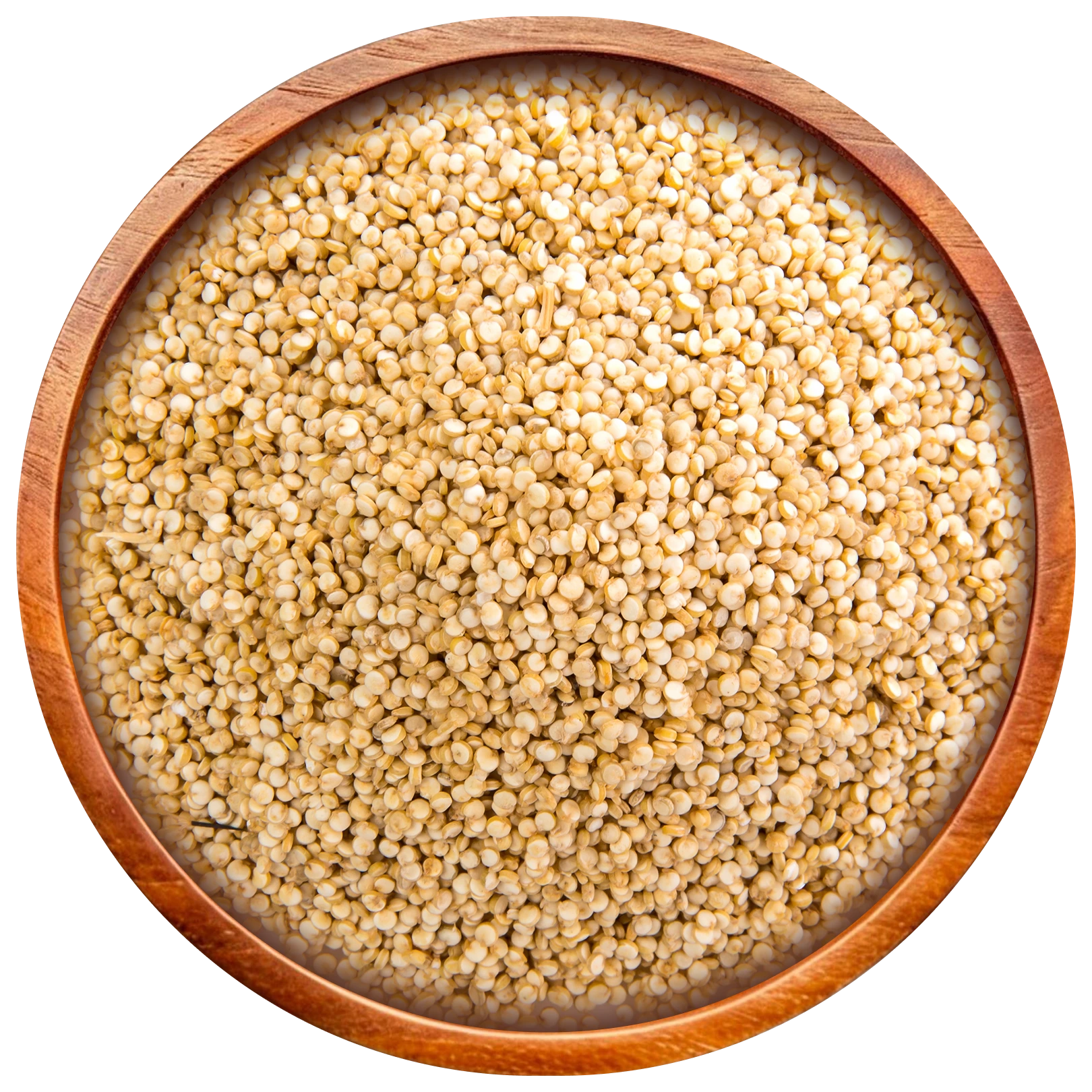
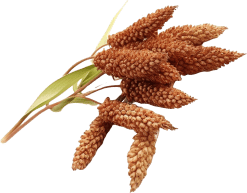
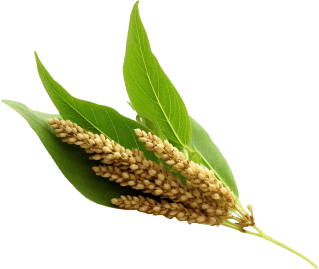
Amaranth seeds come from the amaranth plant (Amaranthus spp.), which is a group of leafy vegetables and grains. Amaranth is known for its tiny, nutrient-dense seeds that have been cultivated for thousands of years and have gained popularity in recent years due to their nutritional benefits.
Benefits :
- The oils and phytosterols in amaranth help lower cholesterol levels, including LDL and triglycerides.
- The anti-inflammatory properties of peptides and oils in amaranth can ease pain and reduce inflammation.
- The antioxidants in amaranth grain may even help protect cells from damage that can lead to cancer.
- This seed tackles cholesterol, inflammation, and blood pressure, making it an all-around good food for heart health.
Uses :
- Pseudocereals like amaranth tend to be versatile since they can either be cooked and prepared in their whole form, or ground into flour to use in cooking and baking.
- And amaranth boasts a flavor profile that works well in both sweet and savory dishes.
- Amaranth is a plant which has wide use in medical science. The leaf contains a small amount of vitamin C.
- Amaranth grain is used for the treatment of ulcers, diarrhoea, and swollen mouth and throat. It is also used to treat high cholesterol. In foods, amaranth is used as a cereal grain.
| Specifications |
Parameters |
| Product Name |
Amaranth Seed |
| Botanical Name |
Amaranthus cruentus |
| Quality / Grade |
99%, Soretex & ETO Sterilize |
| Packaging |
10 Kg, 15 Kg, 25 Kg PP Bag |
| Shelf Life |
12 months when stored under the correct conditions |
| Origin |
India |