Description :
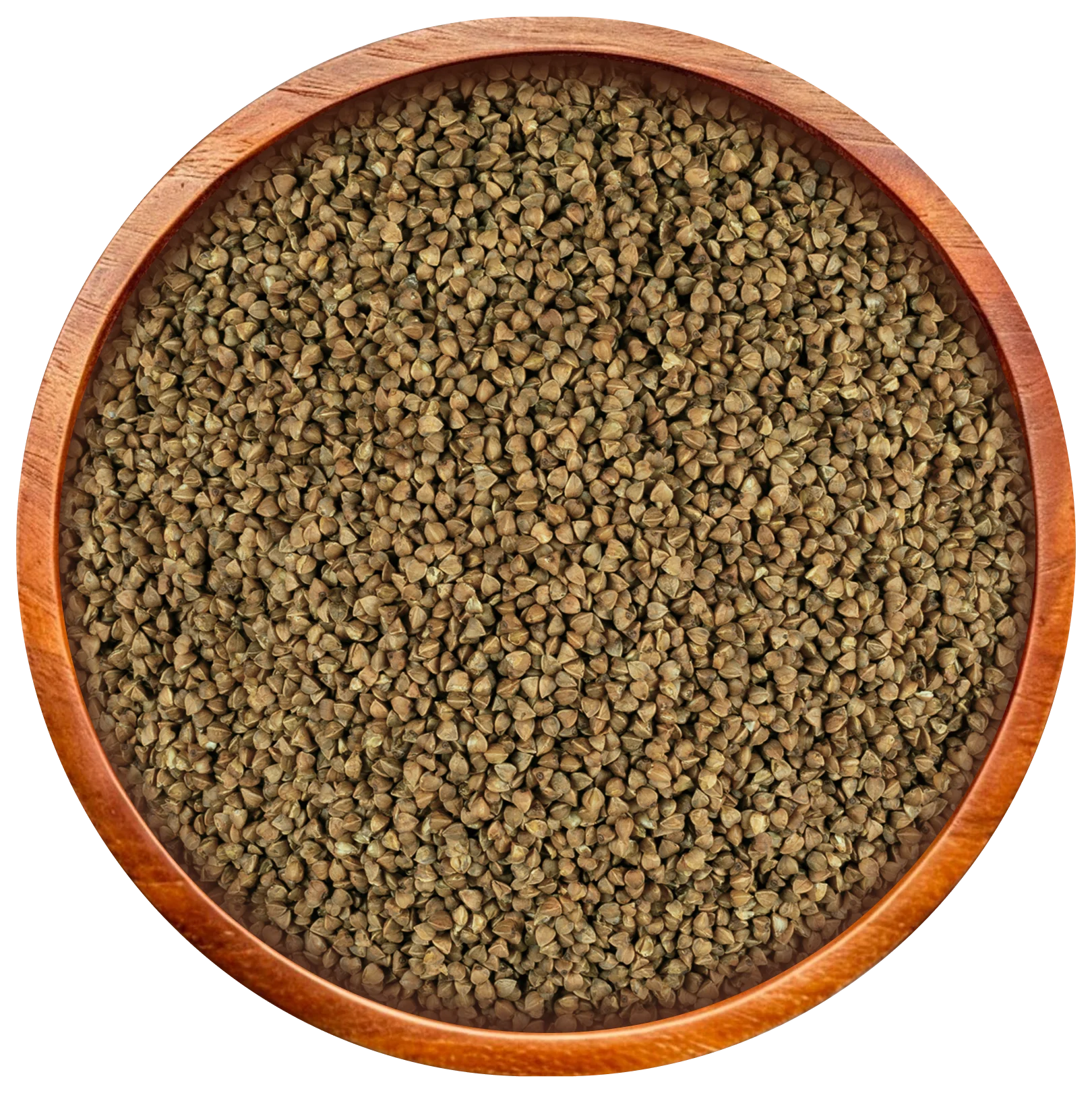
Celery is a biennial plant with a thick, fibrous stalk that is typically eaten as a vegetable. In its second year, celery produces small white or yellow flowers, which eventually turn into seeds.Celery seeds are tiny, oval, and brownish in color. They have a distinctive, strong aroma and a slightly bitter, earthy, and nutty flavor.To harvest celery seeds, you first need to grow celery plants. Start by planting celery seeds or seedlings in your garden or a suitable location. Celery requires well-drained soil, consistent moisture, and full or partial sun.
Uses :
- Celery seeds are a popular spice and are used to add a distinct celery flavor to a wide range of dishes.
- They are often used as a seasoning in soups, stews, and sauces.
- Celery seeds are sometimes included in salad dressings to enhance their flavor and provide a subtle, nutty taste.
- They can be used in baking, particularly in bread and rolls, to impart a unique flavor.
- Celery seeds are sometimes used to reduce the pain and inflammation associated with gout attacks.
Benefits :
- Celery seeds are sometimes used as a natural remedy to help lower high blood pressure.
- They contain phthalides, which may relax the blood vessels and improve blood flow, resulting in reduced blood pressure.
- Celery seeds to promote digestion and relieve bloating and flatulence.
- Celery seeds are believed to have anti-inflammatory effects, which may help alleviate joint pain and stiffness.
| Specifications |
Parameters |
| Product |
Celery Seed |
| Botanical Name |
Apium graveolens |
| Quality/Grade |
99%, Machine cleaned, Sortex |
| Packaging |
25Kg, 40Kg, 50Kg PP Bag |
| Shelf Life |
12 months when stored under the correct conditions |
| Origin |
India |